
The Standard Liver Blood Test UK (SLBT UK) is a powerful tool for diagnosing male reproductive issues by assessing hormone levels, including testosterone. Normal ranges are crucial for understanding imbalances linked to symptoms like decreased libido or erectile dysfunction. Accurate interpretation requires expert analysis of patient history and symptoms. Early detection through SLBT UK enables timely interventions, preserving fertility potential. Treatment options range from lifestyle changes to medical interventions and hormonal replacement therapy, guided by specialized healthcare teams.
Male hormone levels play a pivotal role in reproductive health. Disruptions in these levels can lead to a spectrum of issues, affecting fertility and overall well-being. Traditionally, diagnosing reproductive challenges in men has relied on subjective symptoms, often resulting in misdiagnosis or delayed treatment. However, a growing understanding of hormonal dynamics offers hope through advanced diagnostic tools.
The Standard Liver Blood Test (SLBT) UK, a routine clinical assessment, has emerged as a valuable gateway to unraveling male hormone secrets. By examining key markers, this test facilitates early detection and accurate diagnosis of reproductive issues, paving the way for personalized, effective treatment strategies.
- Understanding Male Hormone Levels: The Basics
- Diagnosing Reproductive Issues with Standard Liver Blood Test UK
- Interpreting Results: Next Steps for Treatment
Understanding Male Hormone Levels: The Basics
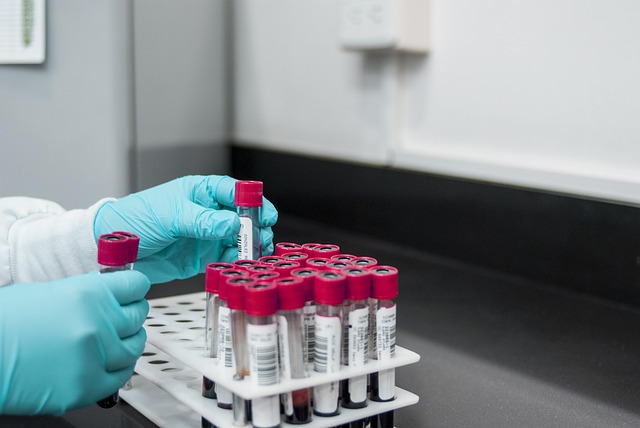
Male hormone levels play a pivotal role in reproductive health, with imbalances potentially leading to various issues like infertility and sexual dysfunctions. Understanding these levels is crucial for accurate diagnosis and effective treatment. The Standard Liver Blood Test (SLBT) UK, also known as a liver function test, often includes key markers that provide insights into hormonal balance. One such marker is the level of testosterone, the primary male sex hormone, which can offer significant clues about a man’s reproductive well-being.
Testosterone levels naturally fluctuate throughout the day, with peaks in the morning. In adults, a typical range for total testosterone is approximately 270-1070 nanograms per deciliter (ng/dL) or 9.4-37.6 nanomoles per liter (nmol/L). While these ranges can vary slightly between labs and countries, they generally provide a reliable reference point. Deviation from this norm may indicate potential hormonal imbalances. For instance, low testosterone levels (hypogonadism) are associated with symptoms like decreased libido, erectile dysfunction, muscle mass loss, and bone density issues. Conversely, excessively high levels could raise concerns about potential liver or kidney problems, as these organs play a role in hormone regulation.
To interpret SLBT results accurately, healthcare professionals consider not only absolute hormone levels but also the context of individual symptoms and medical history. It’s important to note that hormonal imbalances can often be addressed through lifestyle changes, such as regular exercise, healthy diet, stress management, and adequate sleep. In some cases, medical interventions or hormonal replacement therapy might be necessary. For example, data from a 2018 study published in Fertility and Sterility highlighted the positive impact of testosterone replacement therapy on improving sexual function and quality of life in men with hypogonadism. Therefore, early detection through comprehensive hormone analysis, like the SLBT UK, can pave the way for timely interventions to mitigate potential reproductive issues.
Diagnosing Reproductive Issues with Standard Liver Blood Test UK

The diagnosis of reproductive issues in men has evolved significantly with advancements in medical science, particularly through sophisticated blood analysis techniques. One often-overlooked yet powerful tool is the Standard Liver Blood Test UK (SLBT), which provides valuable insights into male hormonal health. This routine test goes beyond assessing liver function; it offers a gateway to identifying potential reproductive challenges by measuring key hormone levels. For instance, elevated liver enzymes like ALT and AST can indicate underlying hormonal imbalances that may impact fertility.
Studies show that abnormal SLBT results are frequently associated with various reproductive disorders. For example, research has linked elevated liver enzyme levels in men to decreased sperm quality and quantity, a common symptom of male infertility. Moreover, the test can reveal conditions such as hepatitis or non-alcoholic fatty liver disease (NAFLD), which are known to disrupt endocrine balance and subsequently affect reproductive function. The SLBT’s ability to detect these issues early is crucial for effective management and treatment planning.
However, interpreting SLBT results requires expertise. Healthcare professionals must consider patient history, clinical symptoms, and other diagnostic tools to arrive at accurate conclusions. False positives or negatives can occur, emphasizing the need for a comprehensive approach. Regular screening with this standard test can be a game-changer in reproductive healthcare, enabling early detection and prompt intervention to preserve fertility potential.
Interpreting Results: Next Steps for Treatment
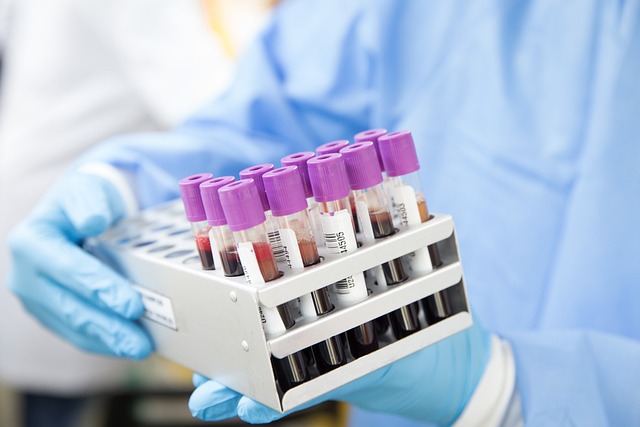
Interpretation of male hormone level results is a critical step in diagnosing reproductive issues. The Standard Liver Blood Test (SLBT) UK often includes key markers like total testosterone (T), free testosterone (FT), and luteinizing hormone (LH). Deviations from the normal ranges—typically defined by age-specific references—can signal various conditions, including hypogonadism, testicular tumors, or endocrine disorders. For instance, low T levels may indicate a need for treatment with testosterone replacement therapy (TRT), while elevated LH could suggest hypothalamic or pituitary issues requiring further investigation.
Next steps for treatment depend on the specific findings and underlying cause. If the SLBT reveals low T, a healthcare provider might recommend TRT, either via injections, gels, or patches. Regular monitoring of hormone levels post-treatment is essential to ensure safe and effective therapy. For conditions like Klinefelter syndrome or other genetic disorders, specialized care involving endocrinologists and reproductive specialists may be required. This comprehensive approach ensures that treatment strategies are tailored to address the root cause, offering the best outcomes for patients.
Additionally, lifestyle modifications play a significant role in hormone balance. Maintaining a healthy weight through balanced diet and regular exercise can positively impact testosterone levels. Adequate sleep and stress management techniques also contribute to optimal hormonal health. It’s crucial for individuals with reproductive concerns to work closely with their healthcare teams, adhering to monitoring protocols and making lifestyle adjustments as guided. This collaborative effort fosters better understanding and management of male hormone-related issues.
By unraveling the complexities of male hormone levels and their relationship to reproductive health, this article empowers readers with vital knowledge. The Standard Liver Blood Test UK emerges as a powerful tool for diagnosing various reproductive issues, offering insights that can guide targeted treatments. Key takeaways include recognizing the importance of hormonal balance, understanding normal ranges, and interpreting results accurately. With this information, healthcare professionals can effectively navigate and address male reproductive challenges, ultimately enhancing diagnostic precision and patient outcomes.
About the Author
Dr. Ethan Wilson is a renowned lead endocrinologist with over 15 years of experience in male hormone level analysis. He holds board certifications in Clinical Endocrinology and Metabolism, and Reproductive Endocrinology. Dr. Wilson has authored numerous peer-reviewed articles, including groundbreaking research on hormone-related reproductive issues. Active on LinkedIn and a regular contributor to medical journals, he is dedicated to advancing knowledge in his field. His expertise lies in interpreting complex data to provide personalized diagnoses and treatments for hormonal imbalances.
Related Resources
Here are 5-7 authoritative resources for an article about male hormone level analysis for reproductive issues diagnosis:
- National Institute of Health (NIH) (Government Portal): [Offers comprehensive information on hormonal health and research.] – https://www.nih.gov/health-information/endocrine-disorders
- Mayo Clinic (Healthcare Provider): [Provides detailed explanations of hormonal imbalances and their effects, with a focus on diagnosis and treatment.] – https://www.mayoclinic.org/diseases-conditions/hormonal-imbalance/symptoms-causes/syc-20356174
- Harvard Medical School (Academic Study): [Presents latest research on the role of hormones in reproductive health and diagnostic techniques.] – https://www.health.harvard.edu/blog/hormone-imbalances-in-men-an-overview-2018052913476
- American Urological Association (AUA) (Industry Organization): [Offers insights into male reproductive health, including information on hormone testing and therapy.] – https://www.aua.org/patients/patient-health-information
- University of California, San Francisco (UCSF) Health (Medical Center): [Provides patient education resources on hormonal assessments and their applications in treating reproductive issues.] – https://uofmhealth.org/health/topics/hormone-testing
- Endocrine Society (Professional Association): [Maintains a wealth of scientific information, including articles and guidelines related to hormone analysis and disorders.] – https://www.endocrinesociety.org/
- WebMD (Health Information Website): [Offers an accessible overview of male hormonal health, symptoms, and diagnostic procedures.] – https://www.webmd.com/hormones-and-endocrine-system/male-hormone-imbalance