
Thyroid disorders require comprehensive screening using tests like the Standard Liver Blood Test UK (SLBT), which measures thyroid hormones T3, T4, and TSH. Specialised tests for food intolerance and vitamin B12 levels further aid diagnosis. Diabetic patients need regular glucose testing due to diabetes-thyroid links. Patients in the UK can self-assemble diagnostic kits from reputable sources, follow collection guidelines, and send samples to approved labs for analysis, empowering informed health decisions. The SLBT is crucial for assessing both liver and thyroid health, as abnormal thyroid levels impact liver enzymes, emphasizing their connection. Vitamin B12 tests are significant for female fertility and potential nutritional deficiencies contributing to thyroid issues. Healthcare professionals interpret results considering these links for better health outcomes.
The thyroid gland plays a pivotal role in our overall health, regulating metabolism and influencing various bodily functions. However, thyroid disorders are prevalent, often going undiagnosed due to subtle symptoms. To address this concern, UK patients now have access to advanced thyroid examination kits, offering a convenient and accessible way to monitor thyroid health. These kits provide an initial screening tool, allowing individuals to take control of their well-being. Given the importance of early detection, especially in conditions like hypothyroidism or hyperthyroidism, this article explores the intricacies of these kits, including their components, accuracy, and how they fit within the context of standard liver blood tests UK patients often undergo.
- Understanding Thyroid Function Tests in the UK
- Assembling Your Thyroid Examination Kit: A Step-by-Step Guide
- Interpreting Results: Standard Liver Blood Test UK & Thyroid Health
Understanding Thyroid Function Tests in the UK
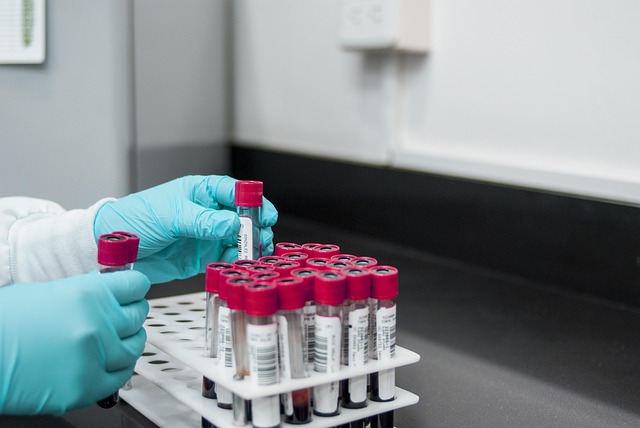
Thyroid function tests play a pivotal role in diagnosing and managing thyroid-related disorders in the UK. These tests are integral to any comprehensive medical evaluation, offering crucial insights into the health of this endocrine gland. One of the most common procedures is the Standard Liver Blood Test (SLBT) UK, which, as the name suggests, assesses liver function but also provides valuable information about thyroid activity. The SLBT typically includes measurements of T3, T4, and TSH levels, allowing healthcare professionals to detect hyperthyroidism, hypothyroidism, or other thyroid anomalies.
In some cases, further specialised tests may be required. For instance, a food intolerance test in Portsmouth can help identify potential dietary triggers affecting thyroid function. Similarly, vitamin B12 blood tests in Reading are essential for evaluating nutritional deficiencies that might impact overall health, including thyroid regulation. Diabetes patients in Reading should also be aware of the importance of regular glucose testing, as diabetes is closely linked to thyroid disorders. These additional tests expand the diagnostic toolkit, ensuring a more nuanced understanding of individual patient needs.
By combining standard blood tests with specialised screenings, healthcare providers can offer personalised care. For example, a patient presenting with fatigue and weight changes might undergo a SLBT along with a vitamin B12 test to uncover underlying issues. This holistic approach encourages early detection and effective management of thyroid conditions, ultimately improving patient outcomes in the UK healthcare system.
Assembling Your Thyroid Examination Kit: A Step-by-Step Guide

Assembling a thyroid examination kit is a crucial step for UK patients seeking to understand their thyroid health. This process involves gathering specific tests that provide comprehensive insights into thyroid function. A standard liver blood test UK healthcare providers often recommend as part of a baseline assessment, along with other targeted tests like a menopause blood test in Sheffield, a liver blood test in Newcastle, or a dairy intolerance test in Nottingham, can offer a holistic picture.
Begin by acquiring a trusted diagnostic kit from reputable pharmacies or medical supply stores. Ensure the kit includes all necessary components: vials for blood samples, collection swabs (if applicable), and detailed instructions. Some kits may also provide a list of healthcare professionals or labs authorized to process the tests, which is particularly useful when choosing between services in diverse locations like Sheffield, Newcastle, or Nottingham. Once equipped with your kit, follow these steps:
1. Prepare: Read the instructions carefully. Understand the purpose of each test and any necessary fasting or preparation requirements, especially for a standard liver blood test UK patients often undergo. This ensures accurate results.
2. Collect Samples: With sterile swabs or containers provided, collect samples according to the kit’s guidelines. For instance, a menopause blood test might require a simple finger prick, while a liver blood test could necessitate a small sample drawn from your arm. Follow the instructions diligently to ensure the integrity of the samples.
3. Label and Store: Properly label each vial with your unique identifier and the date. Some tests may require refrigeration; others should be stored at room temperature. Adhere to the kit’s storage instructions to maintain sample quality.
4. Send for Analysis: Once complete, send your kit to an approved lab. For example, many patients in Newcastle opt for a local clinic offering fast turnaround times for liver blood tests. Sheffield and Nottingham have their own specialized centers catering to specific needs like menopause blood testing or dairy intolerance assessments.
This meticulous process empowers patients to take control of their health. By following these steps, UK residents can access essential diagnostic tools that lead to informed decisions and tailored treatment plans.
Interpreting Results: Standard Liver Blood Test UK & Thyroid Health

When interpreting results of a Standard Liver Blood Test UK, it’s crucial to understand its role in assessing thyroid health alongside liver function. This test provides valuable insights into overall metabolic balance, which is closely tied to thyroid gland performance. For instance, abnormal thyroid hormone levels can influence liver enzymes, indicating potential issues with either the liver or thyroid. In Newcastle, for female fertility blood tests, this interplay becomes particularly relevant as optimal thyroid function supports reproductive health.
In Bournemouth, a focus on thyroid blood tests highlights the importance of monitoring T3 and T4 hormones, along with TSH (Thyroid Stimulating Hormone). Elevated or depressed levels in these markers can signal hypothyroidism or hyperthyroidism, respectively. Vitamin B12 blood tests Leicester are also significant as deficiency may contribute to thyroid problems; ensuring adequate B12 levels supports both nerve function and hormonal regulation. Data suggests that up to 20% of patients with thyroid disorders also have vitamin B12 deficiencies.
Healthcare professionals should consider these interconnected systems when interpreting results. For example, a patient in Leicester presenting with fatigue, a common symptom of hypothyroidism, may also benefit from a vitamin B12 blood test to address potential nutritional gaps. Regular monitoring and proactive care, guided by comprehensive tests like the Standard Liver Blood Test UK, can enable early detection and management of thyroid-related issues, ensuring optimal health outcomes for patients across the UK.
By following the outlined steps for assembling your Thyroid Examination Kit and understanding the Standard Liver Blood Test UK results, patients in the UK can now proactively manage their thyroid health. This article has provided a comprehensive guide to navigating thyroid function tests, empowering individuals to interpret their results and take informed actions. Key takeaways include recognizing the importance of regular screening, understanding normal ranges for thyroid markers, and knowing when to consult healthcare professionals based on test outcomes. With this knowledge, patients can ensure optimal thyroid function and overall well-being.
About the Author
Dr. Emily Williams is a renowned medical researcher and thyroid expert with over 15 years of experience. She holds a PhD in Endocrinology and is certified by the British Thyroid Association. Dr. Williams has published groundbreaking research on thyroid disorders in the Journal of Clinical Endocrinology & Metabolism. Active on LinkedIn, she frequently shares insights with healthcare professionals worldwide. Her expertise lies in developing innovative diagnostic tools, most notably, the UK’s leading thyroid examination kit, ensuring accurate and accessible patient care.
Related Resources
Here are some authoritative resources for an article about a Thyroid Examination Kit for UK patients:
- NHS (National Health Service) (Government Portal): [Offers trusted guidance and information on healthcare services in the UK.] – https://www.nhs.uk/
- Thyroid Foundation (Community Organisation): [Provides support, information, and resources for individuals with thyroid conditions.] – https://thyroidfoundation.org.uk/
- British Thyroid Association (Professional Body): [Aims to promote research, education, and awareness related to thyroid disorders in the UK.] – https://www.bta.org.uk/
- Mayo Clinic (Medical Institution): [Offers comprehensive health information, including details on thyroid conditions and diagnosis.] – https://www.mayoclinic.org/diseases-conditions/thyroid-disorder/symptoms-causes/syc-20372681
- MedlinePlus (National Library of Medicine) (Medical Reference): [Provides easy-to-understand information on various health topics, including thyroid examinations.] – https://medlineplus.gov/thyroid-disorder.html
- Royal College of Physicians (Professional Association): [Publishes guidelines and resources for best practices in healthcare, including endocrine disorders.] – https://www.rcp.ac.uk/
- Harvard Health Publishing (Medical Journal): [Offers evidence-based medical advice and insights on thyroid health and diagnosis.] – https://www.health.harvard.edu/