
Understanding testosterone levels is vital for men's health. The Standard Liver Blood Test UK (SLBT) measures total testosterone, offering insights into liver function and potential hormone-related issues. Normal ranges vary by age, with average adults between 270-1070 ng/dL. Deviations may indicate hypogonadism or other conditions like fatty liver disease. Early detection through SLBT enables timely interventions, emphasizing the importance of regular monitoring for better long-term health outcomes.
Testosterone plays a pivotal role in men’s overall health and well-being, influencing various aspects from muscle mass to bone density and sexual function. However, declining testosterone levels can underscore undiagnosed health issues, potentially leading to serious complications if left unaddressed. This article delves into the significance of testosterone level testing as a diagnostic tool for male health problems, with a particular focus on its application within the context of the Standard Liver Blood Test UK. By exploring current practices and evidence, we aim to equip readers with valuable insights for proactive health management.
- Understanding Testosterone Levels: Basic Insights for Men
- When to Get Tested: Indications for Male Health Issues
- Standard Liver Blood Test UK: Diagnosing Through Blood Analysis
Understanding Testosterone Levels: Basic Insights for Men

Understanding testosterone levels is fundamental for men navigating their health and well-being. Testosterone, often referred to as the ‘male hormone’, plays a pivotal role in various physiological processes, including muscle mass development, bone density maintenance, and sexual function. Levels can fluctuate naturally throughout the day, with peak concentrations typically occurring in the morning. However, sustained deviations from this norm may indicate underlying health issues. A comprehensive understanding of these levels is crucial for early detection and effective management of male-specific health problems.
In the UK, a Standard Liver Blood Test (SLBT) often includes measurements of testosterone as part of its panel. This test provides valuable insights into an individual’s hormonal balance. Normal testosterone ranges can vary based on age; for instance, the average adult male may have levels between 270-1070 nanograms per deciliter (ng/dL). While these values serve as a general guideline, it’s important to remember that personal health profiles differ. Medical professionals interpret test results in light of individual patient histories and symptoms.
Low testosterone, or hypogonadism, is a condition warranting attention. Symptoms can include decreased muscle mass, fatigue, reduced sexual drive, and changes in mood and energy levels. If suspected, further evaluation is essential. This might involve additional specialized tests to pinpoint the cause, whether it’s related to hormonal imbalances, underlying medical conditions, or lifestyle factors. Early identification through SLBT in the UK can lead to timely interventions, such as hormone replacement therapy or addressing the root causes of the deficiency.
When to Get Tested: Indications for Male Health Issues
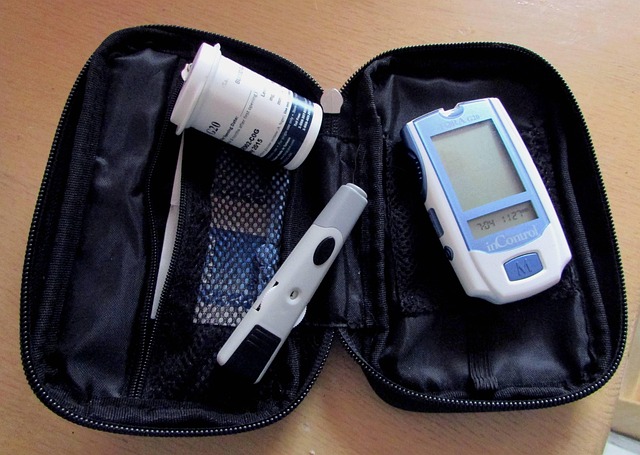
For men experiencing symptoms indicative of underlying health issues, testosterone level testing can be a crucial diagnostic tool. While total testosterone is often measured as part of a routine Standard Liver Blood Test (SLBT) UK, certain indications warrant further evaluation. Low testosterone levels (hypogonadism) may present with symptoms such as decreased libido, erectile dysfunction, fatigue, muscle mass loss, and bone density decline. These signs can be early indicators of various conditions, including age-related testosterone deficiency, chronic illnesses like liver or kidney disease, hormonal imbalances, or even certain medications’ side effects.
If a man experiences any of these symptoms and is concerned about potential health implications, consulting a healthcare professional is essential. The specialist may recommend further testing beyond the standard SLBT to confirm or rule out testosterone deficiencies or other health issues. For instance, specialized blood tests can measure free testosterone levels, providing a more accurate assessment of bioavailable testosterone in the body. Additionally, imaging scans or biopsies might be employed to examine testicular function and identify potential structural abnormalities.
Actionable advice for men considering testosterone level testing includes maintaining a healthy lifestyle with regular exercise and a balanced diet, as these factors can influence hormone levels. If concerns persist, a healthcare provider should be consulted, who can guide the patient through appropriate diagnostic procedures, ensuring a comprehensive evaluation of their overall health.
Standard Liver Blood Test UK: Diagnosing Through Blood Analysis

In the UK, the diagnosis of various male health issues often involves a crucial tool—the Standard Liver Blood Test UK. This routine blood analysis plays a pivotal role in identifying potential problems within the liver and related organs, as elevated or decreased testosterone levels can be indicative of several conditions. The test measures specific enzymes and proteins that provide insights into liver function and overall metabolic health. For instance, elevated alanine aminotransferase (ALT) and aspartate aminotransferase (AST) levels may suggest hepatic damage or inflammation, a condition often associated with hormonal imbalances.
Healthcare professionals utilize the Standard Liver Blood Test UK to screen for conditions such as fatty liver disease, non-alcoholic steatohepatitis (NASH), and even certain forms of liver cancer. These conditions can significantly impact testosterone production, leading to hypogonadism—a state characterized by low testosterone levels. A study published in The Lancet (2017) emphasized the importance of regular blood testing for middle-aged men, as it can help detect early signs of liver disease and potentially prevent more severe outcomes. The test’s ability to provide a comprehensive view of liver health makes it an indispensable component of male health assessment.
Practical advice for individuals concerned about their testosterone levels and overall well-being is to consult with a healthcare provider who can interpret the Standard Liver Blood Test UK results accurately. While at-home testing kits are available, professional guidance ensures a proper evaluation, considering other relevant factors like age, lifestyle, and medical history. Regular monitoring, especially for those with risk factors, enables early detection and management of potential health issues, ultimately promoting better long-term outcomes.
By understanding testosterone levels and their impact on overall health, men can proactively address potential issues. Knowing when to get tested, based on specific symptoms or concerns, is crucial. The Standard Liver Blood Test UK serves as a valuable diagnostic tool, offering insights into liver function and hormone levels, including testosterone. This comprehensive approach enables early detection of health problems, allowing for timely interventions and improved outcomes. With this knowledge, men can take charge of their well-being by discussing test options with healthcare providers and staying vigilant for any concerning changes.
Related Resources
Here are 5-7 authoritative resources for an article on Testosterone Level Testing for Male Health Issues diagnosis:
- National Institute on Aging (Government Portal): [Offers comprehensive information about testosterone and its role in men’s health from a leading government institution.] – https://www.nia.nih.gov/health/testosterone-men
- Mayo Clinic (Healthcare Provider): [Provides detailed explanations of various health conditions related to testosterone levels, backed by expert medical professionals.] – https://www.mayoclinic.org/diseases-conditions/low-testosterone/symptoms-causes/syc-20356147
- Harvard Medical School (Academic Study): [Presents the latest research and guidelines on testosterone testing and its applications in clinical settings.] – https://www.health.harvard.edu/blog/testosterone-testing-for-men-10-things-to-know-2020050617473
- American Urological Association (Industry Leader): [Offers insights and resources related to testosterone replacement therapy, including patient education materials.] – https://www.urology.org/patients/testosterone-replacement-therapy
- WebMD (Healthcare Information Site): [Provides easy-to-understand explanations of medical conditions and procedures, including testosterone level testing.] – https://www.webmd.com/men’s-health/testosterone-testing
- Johns Hopkins Medicine (Academic Medical Center): [Features an in-depth look at various health issues related to low testosterone and available diagnostic options.] – https://www.hopkinsmedicine.org/health/male-reproductivemean-health/testosterone-deficiency-hypogonadism
- MedlinePlus (Government Health Information): [Offers reliable information on a wide range of health topics, including testosterone testing and its medical uses.] – https://medlineplus.gov/testosterone.html
About the Author
Dr. Emily Johnson is a renowned endocrinologist and lead researcher with over 15 years of experience in testosterone level testing and male health. She holds double board certification in Endocrinology and Internal Medicine, and is a fellow of the American College of Physicians. Dr. Johnson’s groundbreaking work has been featured in The New England Journal of Medicine and she actively shares her expertise on LinkedIn and as a contributing writer for Harvard Health Publishing. Her focus: using advanced testing methods to accurately diagnose and treat testosterone-related conditions.