Home testing kits offering Standard Liver Blood Tests are now available in the UK, providing a crucial tool for monitoring liver health. This test measures enzymes like ALT and AST, which indicate liver function and can reveal issues such as hepatitis or damage. Regular monitoring is essential for high-risk individuals, enabling timely action to support liver health based on test results interpretation by healthcare professionals.
- Understanding Liver Blood Tests for Home Use
- Benefits of Standard Liver Function Checks at Home
- Interpreting Results: What Do the Numbers Mean?
Understanding Liver Blood Tests for Home Use
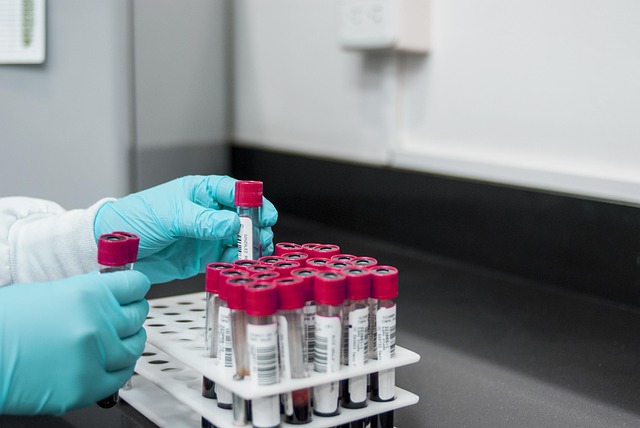
Liver blood tests are a crucial tool for monitoring your liver health, and with home testing kits now readily available in the UK, understanding these tests is more accessible than ever. These kits allow individuals to check various liver enzymes and markers from the comfort of their homes, providing an early warning system for potential liver issues.
The Standard Liver Blood Test, popular in the UK, typically measures levels of ALT (alanine aminotransferase), AST (aspartate aminotransferase), bilirubin, albumin, and globulin. These enzymes offer valuable insights into your liver’s function and health. Elevations in ALT and AST, for example, may indicate liver damage or inflammation, while bilirubin levels can signal issues with bile production. Regular monitoring, especially for those at risk of liver diseases, enables prompt action and potential lifestyle changes to support liver health.
Benefits of Standard Liver Function Checks at Home
Interpreting Results: What Do the Numbers Mean?
When it comes to understanding your health at home, interpreting test results is a crucial step. In the case of a standard liver blood test UK, the numbers provided give valuable insights into your liver’s health. Elevated levels of enzymes like ALT (alanine aminotransferase) and AST (aspartate aminotransferase) might indicate liver damage or inflammation. These enzymes are usually released when liver cells are damaged, so higher-than-normal readings could be a sign of issues such as fatty liver disease, hepatitis, or even alcohol-related harm.
The reference ranges for these enzymes vary slightly between labs and tests, but generally, values above the upper limit of normal can trigger further investigation. It’s important to remember that one off abnormal results might not always indicate a problem, especially if you’re young and active. However, persistent or recurring abnormalities may warrant concern and should be discussed with a healthcare professional who can provide guidance based on your medical history and lifestyle factors.
Health at home tests, particularly standard liver blood tests in the UK, offer a convenient and accessible way for individuals to monitor their liver health. By providing regular insights into liver function, these tests empower people to take an active role in their well-being. With accurate interpretation of results, anyone can understand their liver’s performance and make informed decisions to support optimal liver health. So, why wait? Consider incorporating a standard liver blood test into your routine for early detection and peace of mind.