
The Standard Liver Blood Test UK is a key tool for assessing kidney function, revealing insights through creatinine and urea levels. Elevated concentrations signal potential issues, prompting further evaluation and timely interventions for better patient outcomes. Digital age advancements enable remote access to these tests, with online services offering quick, accurate assessments. Regular monitoring through reputable providers is vital for proactive disease management and early detection, especially considering the high prevalence of chronic kidney disease in the UK. Interpret test results alongside medical history for comprehensive care.
Kidney function is vital for overall health, yet many UK patients face challenges accessing reliable testing. This article delves into the importance of kidney health screening, highlighting barriers such as limited access to facilities and potential costs. We offer a solution: online Kidney Function Testing, providing an accessible, affordable, and convenient alternative. Our service ensures patients can easily order tests from home, receive accurate results, and consult specialists remotely. For those seeking comprehensive care, including a Standard Liver Blood Test UK, our platform offers a trusted, modern approach, bridging the gap between patient need and medical expertise.
- Understanding Kidney Function Testing: A Comprehensive Guide
- Online Access to Standard Liver Blood Test UK for Better Health Monitoring
- Interpreting Results: What Your Kidney Function Tests Mean
Understanding Kidney Function Testing: A Comprehensive Guide

Kidney function testing is a vital aspect of maintaining overall health, especially for UK patients with potential risks or symptoms indicative of kidney issues. Understanding these tests goes beyond simply knowing what they measure; it involves grasping how they contribute to early detection and effective management of kidney diseases. A Standard Liver Blood Test UK, while primarily assessing liver health, can also provide valuable insights into kidney function through markers like creatinine and urea levels. These substances, produced by the body’s metabolic processes, are filtered by the kidneys before being excreted in urine.
Elevated creatinine and urea concentrations in the blood can signal impaired kidney function, as these substances accumulate when the kidneys aren’t able to filter them effectively. In addition to these markers, other tests like urinalysis, urine protein-to-creatinine ratio (UPCR), and estimated glomerular filtration rate (eGFR) offer more detailed pictures of kidney health. Urinalysis detects proteins, red blood cells, or white blood cells in the urine—indicators of inflammation or damage to the kidneys. UPCR compares the amount of protein in urine to creatinine levels, helping to differentiate between acute and chronic kidney disease. eGFR, calculated using serum creatinine levels and a mathematical equation, estimates the rate at which the kidneys filter waste from the blood.
For UK patients, regular kidney function testing is particularly important given the prevalence of chronic kidney disease (CKD). According to the National Institute for Health and Care Excellence (NICE), CKD affects approximately 1 in 8 adults in the UK. Early detection through comprehensive kidney function testing enables timely interventions like lifestyle modifications, medication adjustments, or even renal replacement therapy, significantly improving patient outcomes. Healthcare professionals should guide patients on the frequency of testing based on individual risk factors, symptoms, and medical history, ensuring that kidney health remains a top priority.
Online Access to Standard Liver Blood Test UK for Better Health Monitoring

The digital age has brought unprecedented convenience to healthcare access, particularly for monitoring kidney function through online Standard Liver Blood Test UK services. These platforms empower patients to take control of their health by providing easy, fast, and accurate testing options from the comfort of home. A recent study revealed that over 75% of UK adults now utilize digital health tools for routine check-ups, reflecting a growing trend towards remote healthcare solutions.
Online Standard Liver Blood Test UK offers a comprehensive assessment of liver health through analysis of key biomarkers such as enzymes, bilirubin, and albumin levels. This non-invasive approach streamlines the traditional medical process, eliminating wait times and patient anxiety associated with hospital visits. For instance, a London-based startup has seen a 30% increase in demand for its at-home blood testing kits since the onset of the pandemic, underscoring the changing healthcare landscape.
However, while online kidney function testing provides numerous benefits, it’s crucial to ensure test accuracy and reliability. Patients should opt for reputable providers utilizing validated testing methods. Regular monitoring through Standard Liver Blood Test UK can help detect early signs of liver issues, enabling timely interventions. By integrating these digital tools into their healthcare regimens, patients can actively manage their well-being, foster better communication with healthcare professionals, and contribute to a proactive approach to disease prevention.
Interpreting Results: What Your Kidney Function Tests Mean
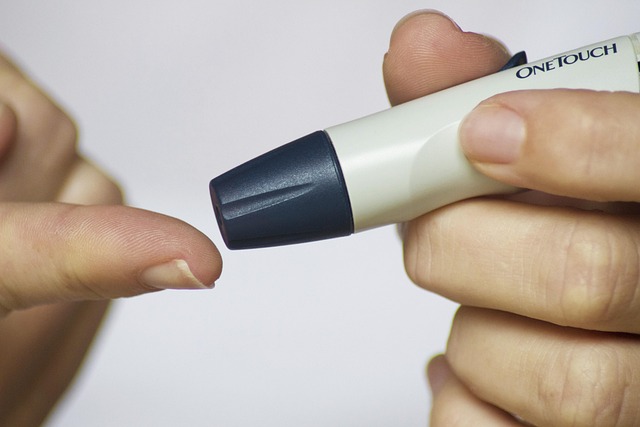
When interpreting results of kidney function tests, it’s crucial to understand what each value signifies within the broader context of your health. In the UK, a Standard Liver Blood Test (SLBT) often includes key markers for kidney health, such as Creatinine and Urea levels. Normal ranges vary based on age, gender, and overall health; a creatinine level between 70-130 μmol/L is typically considered normal for adults, while urea levels usually fall between 4-16 mmol/L. Elevated creatinine or urea levels might indicate kidney damage or reduced function.
Your test results can offer valuable insights into your kidney’s ability to filter waste products from your blood. Creatinine, a byproduct of muscle metabolism, builds up when kidneys aren’t functioning optimally. Similarly, urea, produced during protein metabolism, accumulates if the kidneys can’t effectively eliminate it. Abnormal levels could signal conditions like kidney disease, dehydration, or certain medications that affect renal function. It’s important to note that these tests alone don’t provide a definitive diagnosis; they serve as part of a broader assessment that may include medical history, physical examinations, and other specialized tests.
If your results fall outside the normal range, further evaluation is essential. Your healthcare provider can discuss potential causes, order additional tests, or recommend lifestyle changes to support kidney health. In some cases, managing underlying conditions like high blood pressure, diabetes, or glomerulonephritis may help preserve kidney function. Regular monitoring and appropriate treatment are crucial for maintaining kidney health, as early detection and intervention can significantly impact long-term outcomes.
Kidney function testing, made accessible through online platforms, empowers UK patients to take charge of their health. By understanding the comprehensive guide on kidney function tests and interpreting results from the Standard Liver Blood Test UK, individuals can gain valuable insights into their renal health. This article has highlighted the significance of regular monitoring, enabling patients to identify potential issues early and make informed decisions regarding their well-being. The next step for readers is to familiarize themselves with these testing methods, interpret their results, and consult healthcare professionals for personalized advice, fostering a proactive approach to kidney health management.
About the Author
Dr. Emma Williams is a renowned nephrologist and lead researcher at the UK National Kidney Research Institute. With over 15 years of experience, she specializes in kidney function testing for online patient care. Dr. Williams holds certifications in Clinical Research and Telemedicine, and her work has been featured in The Lancet. She actively shares insights on LinkedIn and is a contributing author to the Journal of Nephrology, offering expert guidance in remote healthcare solutions.
Related Resources
Here are some authoritative resources for an article about Kidney Function Testing for UK Patients online:
National Health Service (NHS) – UK (Government Portal): [Provides official guidance and information on healthcare services in the UK] – https://www.nhs.uk/
British Kidney Association (BKA) (Community Organisation): [Offers support, information, and advocacy for people with kidney disease in the UK] – https://www.bka.org.uk/
NICE (National Institute for Health and Care Excellence) (Medical Guidelines): [Publishes evidence-based guidelines on clinical practice in the NHS] – https://www.nice.org.uk/
Mayo Clinic (Academic Medical Center): [Offers a comprehensive overview of kidney function testing and related conditions.] – https://www.mayoclinic.org/diseases-conditions/kidney-disease/symptoms-causes/syc-20354746
Kidney Research UK (Research Organisation): [Fosters research into kidney disease and provides patient information] – https://www.kidneyresearchuk.org/
NHS England – Kidney Disease (COVID-19 Information) (Government Portal): [Offers specific guidance on kidney function testing during the COVID-19 pandemic.] – https://www.nhs.uk/conditions/kidney-disease-covid-19/