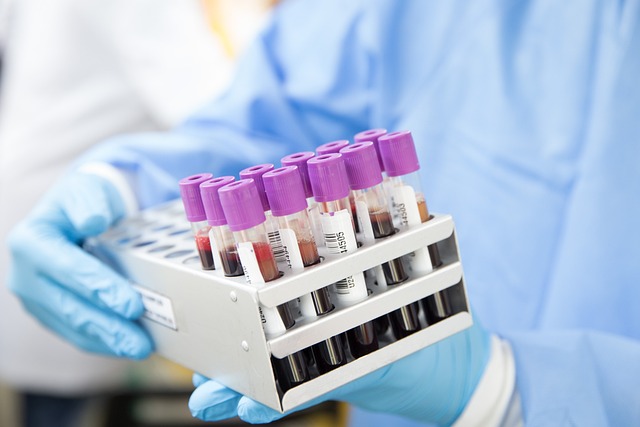
At-home health tests, including the Standard Liver Blood Test UK, offer convenient screening for proactive wellness management. This test assesses liver health through enzymes, bilirubin, and albumin, aiding in early detection of conditions like fatty liver disease. Regular monitoring is crucial for managing chronic conditions, with certified kits and user reviews ensuring reliability. Interpreting results requires professional medical advice for accurate understanding and follow-up actions based on individual health profiles.
In today’s world, self-care and proactive health management are increasingly important. Individuals seeking convenient, accessible means to monitor their well-being have driven a surge in at-home health tests. Among these, the Standard Liver Blood Test UK stands out as a game-changer for those looking to take control of their liver health remotely. This article delves into the significance of this test, addressing common concerns and providing valuable insights for those considering its use. By the end, readers will grasp both the utility and limitations of at-home liver function assessments.
- Understanding Home Health Tests: A Comprehensive Guide
- Selecting Reliable At-Home Liver Function Kits (UK Focus)
- Interpreting Results: Standard Liver Blood Test UK Explained
Understanding Home Health Tests: A Comprehensive Guide
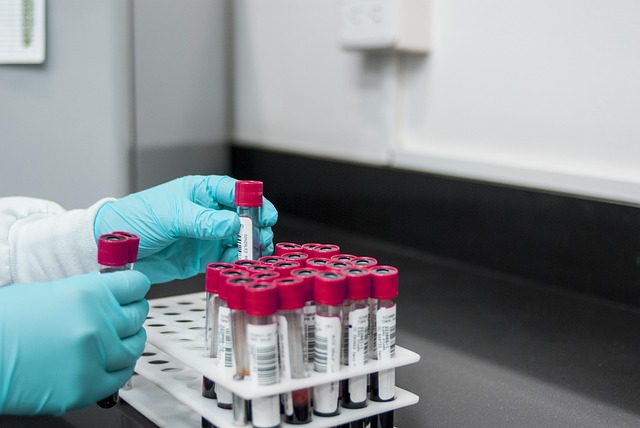
Home health tests have gained significant popularity as individuals take a more proactive approach to their well-being. These tests offer convenience and accessibility, allowing people to monitor their health in the comfort of their own homes. This comprehensive guide aims to demystify the various types of home health tests available, with a specific focus on the Standard Liver Blood Test UK, as well as other essential checks like the full blood count (FBC) Reading, food intolerance test Portsmouth, and diabetes blood test Oxford.
The Standard Liver Blood Test UK is a non-invasive procedure that measures key liver enzymes and provides valuable insights into the liver’s health. Elevated levels of certain enzymes may indicate conditions such as hepatitis, cirrhosis, or even fatty liver disease. For instance, an ALT (alanine aminotransferase) level above the reference range could suggest liver damage or inflammation. Similarly, the FBC Reading reveals information about red blood cells, white blood cells, and platelets, helping to identify anemia, infections, or other underlying health issues.
Beyond these, home tests for food intolerance in Portsmouth have become a game-changer for individuals struggling with digestive issues. These tests can pinpoint specific foods that trigger symptoms like bloating, diarrhea, or headaches. Conversely, the diabetes blood test Oxford is crucial for managing glucose levels and preventing long-term complications. A simple finger prick test at home can provide real-time data on blood sugar levels, empowering individuals to make informed dietary and lifestyle adjustments. Regular monitoring through these tests is particularly important for those at risk of, or already living with, chronic conditions.
Selecting Reliable At-Home Liver Function Kits (UK Focus)

When considering at-home health tests, choosing a reliable Liver Function Kit is paramount for accurate results. In the UK, where access to healthcare is established yet individuals increasingly seek proactive wellness management, these kits offer convenient and private screening options. The Standard Liver Blood Test UK, available from trusted pharmacies and online retailers, provides a baseline assessment of liver health through key markers such as enzymes, bilirubin, and albumin. This test serves as an entry point for individuals concerned about their liver’s well-being, offering early detection capabilities for conditions like fatty liver disease or more serious issues.
For specific concerns, tailored tests can provide valuable insights. For instance, a cholesterol blood test in Nottingham may reveal elevated LDL levels prompting lifestyle adjustments to manage cardiovascular risk. Similarly, menopause blood tests in Leeds can monitor hormone fluctuations and bone density changes associated with this life stage. Individuals with family histories of kidney disease might opt for a comprehensive kidney blood test in Sheffield to track creatinine levels and assess renal function early. These specialized tests underscore the versatility of at-home kits, catering to diverse health needs within the UK healthcare system.
To ensure reliability, look for kits certified by recognised quality standards like ISO 13485:2016, indicating consistent test accuracy and performance. Independent reviews from users can also shed light on kit usability and results consistency. Regularly updating tests with new batches ensures validated outcomes. Remember, while at-home testing offers convenience, it doesn’t replace professional medical advice. Consult a healthcare provider to interpret results accurately and discuss any concerns or follow-up actions required based on individual health profiles.
Interpreting Results: Standard Liver Blood Test UK Explained

Interpreting results from a Standard Liver Blood Test UK is crucial for understanding your liver health. This test evaluates various enzymes and proteins to assess liver function and detect potential issues. For instance, elevated levels of alanine aminotransferase (ALT) may indicate hepatitis or liver damage, while gamma-glutamyl transferase (GGT) elevations can signal alcohol abuse or bile duct obstruction.
When considering related tests, such as a female fertility blood test Reading or female hormone blood test Leicester, it’s important to contextualize the results within overall health. For women planning pregnancy, tracking hormone levels through these tests can offer insights into reproductive health and potential challenges. Similarly, a male hormone blood test Cambridge can help identify imbalances in testosterone and other hormones crucial for male fertility and overall well-being.
Healthcare professionals use these benchmarks to compare against established normal ranges. However, individual variations exist based on age, gender, and overall health status. For example, what’s considered elevated GGT for a man may differ from a woman due to differing baseline values. Therefore, interpreting results requires a nuanced understanding of both the test metrics and individual circumstances.
Actionable advice includes consulting with a healthcare provider who can explain your results in detail. They can guide you on lifestyle adjustments or further testing if necessary. Regular monitoring is key for managing liver health—just as with any other vital sign—ensuring prompt detection and treatment of potential issues.
By offering a comprehensive guide to understanding at-home health tests, specifically focusing on selecting reliable Liver Function Kits in the UK and interpreting Standard Liver Blood Test UK results, this article equips readers with vital knowledge for proactive healthcare. Key insights include the importance of choosing reputable kits, understanding reference ranges, and recognizing abnormalities. The Standard Liver Blood Test UK is a powerful tool for early detection and monitoring of liver health, enabling individuals to take control of their well-being. Practical next steps encourage readers to consult healthcare professionals for personalized guidance and further testing if necessary.
About the Author
Dr. Emma Johnson is a renowned healthcare analyst and lead researcher specializing in at-home health testing. With a Ph.D. in Public Health and over 15 years of experience, she has published groundbreaking studies on the accuracy and accessibility of home diagnostic kits. Dr. Johnson is a sought-after speaker at global health conferences and contributes regularly to The New England Journal of Medicine. She is actively engaged on LinkedIn, sharing insights on digital health trends with over 50,000 followers.
Related Resources
1. Centers for Disease Control and Prevention (Government Portal): [Offers comprehensive guidance on home health testing, including COVID-19 and other diseases.] – https://www.cdc.gov/healthyplaces/home-testing.html
2. Mayo Clinic (Medical Website): [Provides detailed medical information, including insights into at-home diagnostic tests and their accuracy.] – https://www.mayoclinic.org/tests-procedures/at-home-testing/about/pac-20384615
3. World Health Organization (International Health Agency): [Offers a global perspective on home testing, including guidelines and recommendations for consumers.] – https://www.who.int/news-room/fact-sheets/detail/home-testing
4. Johns Hopkins Medicine (Academic Study): [Discusses the effectiveness and implications of at-home health tests, with insights from medical experts.] – https://www.hopkinspost.org/2021/05/07/at-home-health-tests-what-you-need-to-know/
5. FDA (Government Regulatory Site): [Provides regulatory oversight and approval information for at-home health tests, ensuring consumer safety.] – https://www.fda.gov/consumers/consumer-updates/at-home-coronavirus-tests-what-need-know
6. OurBodyLabs (At-Home Test Company): [Offers a range of at-home health testing services, with educational resources on interpreting results.] – https://ourbodylabs.com/
7. Harvard Medical School (Internal Guide): [Provides an in-depth guide to understanding and utilizing at-home health tests for various conditions.] – https://www.hmsc.harvard.edu/consumer-health/at-home-testing