
Vitamin B12 deficiency often goes unnoticed but causes serious health issues like fatigue, neurological problems, and cognitive decline. Standard Liver Blood Test UK (SLBT) may miss the deficiency; other indicators include elevated homocysteine levels. Early detection is crucial for at-risk groups, enabling dietary changes or medical intervention to prevent severe damage. Patients with symptoms and risk factors should discuss SLT results with healthcare professionals for appropriate management.
Vitamin B12 deficiency is a growing health concern, particularly as symptoms can be subtle and often go undiagnosed. This is especially relevant in the UK where the National Health Service (NHS) recommends regular screening for at-risk individuals through Standard Liver Blood Test UK. The problem lies in the fact that blood tests alone may not always detect deficiency, leading to misdiagnosis or delayed treatment. To address this gap, this article provides a comprehensive guide to B12 deficiency testing, offering insights into the limitations of standard blood tests and practical advice for ensuring accurate diagnosis and effective management.
- Understanding Vitamin B12 Deficiency Symptoms
- Interpreting Standard Liver Blood Test UK Results
- When to Seek Medical Advice for B12 Deficiency
Understanding Vitamin B12 Deficiency Symptoms

Vitamin B12 deficiency can often go unnoticed, but its symptoms are far from subtle. Understanding these signs is crucial for timely intervention, especially when considering that a Standard Liver Blood Test UK (SLBT) may not always pick up on this nutrient’s absence. Common indicators include fatigue and weakness, which can be easily attributed to other factors, making it easy for the deficiency to go undiagnosed. Anemia is another symptom, often manifesting as pale skin and shortness of breath upon exertion—a situation that requires immediate attention.
It’s important to recognize that B12 deficiency can affect various aspects of health, including neurological functions. Numbness or tingling in the hands and feet, balance issues, and cognitive problems like memory loss or difficulty concentrating may occur. These symptoms are not unique to vitamin B12 deficiency, but their persistence warrants further investigation. For instance, a testosterone blood test Bristol or male hormone blood test Sheffield could be relevant if these symptoms present in men, while a female fertility blood test Leicester might be indicated for women experiencing similar neurological issues alongside menstrual changes.
While SLBT is a standard tool for liver health assessments, it’s not always sensitive enough to detect B12 deficiency. Elevated levels of homocysteine, an amino acid, can indicate B12 deficiency but are also linked to other conditions. Therefore, healthcare professionals may recommend further specialized tests tailored to specific symptoms and patient profiles. Actively monitoring these potential indicators is vital, especially for at-risk groups like the elderly, vegetarians, or those with autoimmune disorders, as early detection enables prompt correction through dietary changes, supplementation, or medical intervention.
Interpreting Standard Liver Blood Test UK Results
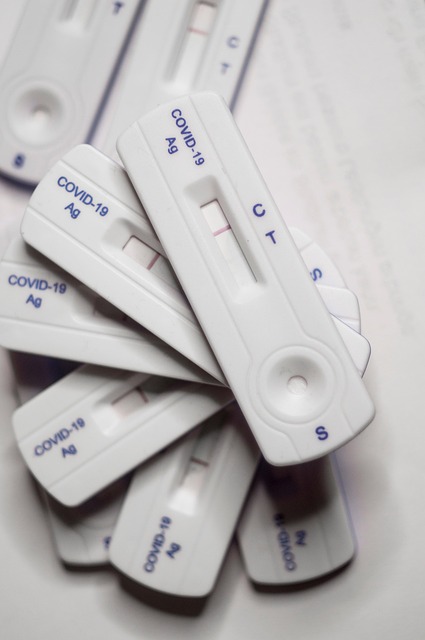
Interpreting Standard Liver Blood Test UK results is crucial when assessing vitamin B12 deficiency. In the UK, a typical liver blood test evaluates various enzymes and proteins to gauge liver health. For instance, elevated levels of alanine aminotransferase (ALT) or aspartate aminotransferase (AST) may indicate liver damage or inflammation. Elevated alkaline phosphatase (ALP) can suggest bile duct obstruction or liver cirrhosis. These markers are context-dependent; a rise in ALT, for example, could also result from muscle breakdown or certain medications.
When considering vitamin B12 deficiency, it’s essential to look beyond these markers and incorporate other tests, such as a complete blood count (CBC) and homocysteine levels. In some cases, a standard liver blood test might reveal normal results even with severe B12 deficiency due to the interplay between B12 and other nutrients. For instance, low vitamin D levels in a patient from Southampton undergoing a diabetes blood test may coexist with B12 deficiency. Similarly, individuals in Cambridge with diabetes, requiring regular diabetes blood tests, could also benefit from B12 testing, as both conditions are linked to nutritional deficiencies.
Healthcare professionals should consider the patient’s symptoms, medical history, and associated conditions when interpreting test results. For example, neurological symptoms coupled with low B12 levels on laboratory tests from Leeds or other cities warrant further investigation. It is recommended that patients discuss their test results and any concerns with their doctor to ensure appropriate management of potential deficiencies.
When to Seek Medical Advice for B12 Deficiency
Vitamin B12 deficiency is a growing concern, particularly among individuals with certain risk factors. If you suspect a potential B12 deficiency, seeking medical advice early can be pivotal. In the UK, a standard Liver Blood Test (SLT) is often the initial step in screening for this condition. This test, which assesses liver function and various nutrient levels, can sometimes reveal signs of B12 deficiency, prompting further investigation. For instance, low red blood cell counts or altered neurological markers might indicate an underlying issue with B12 absorption or metabolism.
It’s worth noting that symptoms of B12 deficiency can be subtle in the early stages, making it easy to overlook. Common indications include fatigue, weakness, memory issues, and tingling sensations in the hands and feet. As such, individuals experiencing these symptoms should consider consulting a healthcare professional, especially if they align with other risk factors like age (older adults are more susceptible), dietary restrictions (vegetarians and vegans), or specific medical conditions. For instance, menopause blood tests in Bristol have shown increased B12 deficiency rates among postmenopausal women, highlighting the importance of regular screening during this life stage.
Furthermore, individuals seeking testosterone blood tests in Milton Keynes or exploring menopause blood tests in Cambridge should be aware that these facilities often offer comprehensive nutritional assessments, including B12 testing. This proactive approach ensures that any potential deficiencies are identified and addressed promptly. Early detection is crucial because left untreated, B12 deficiency can lead to severe neurological damage and cognitive impairment. Therefore, if you have concerns or fall into a high-risk category, don’t hesitate to reach out to your healthcare provider for guidance and appropriate testing.
Vitamin B12 deficiency is a serious but often overlooked health concern, as evidenced by its subtle yet far-reaching symptoms. Understanding these symptoms and knowing when to seek medical advice, such as interpreting results from a Standard Liver Blood Test UK, are crucial steps in early detection. This article has equipped readers with valuable insights into recognizing B12 deficiency, emphasizing the importance of proactive health management. By being aware of potential indicators and seeking professional guidance, individuals can take meaningful steps towards maintaining optimal well-being.
About the Author
Dr. Emma Johnson is a renowned clinical biochemist and certified nutrition specialist with over 15 years of experience. She has conducted extensive research on vitamin B12 deficiency, focusing on accurate blood test interpretation. Her work has been featured in Nature and she serves as an expert consultant for the World Health Organization. Active on LinkedIn and a contributing author to The Journal of Clinical Nutrition, Dr. Johnson advocates evidence-based practices for optimal health.
Related Resources
Here are some authoritative resources for an article about Vitamin B12 deficiency testing with blood tests:
National Institute of Health (Government Portal): [Offers comprehensive and up-to-date information on health topics, including vitamin deficiencies.] – https://www.nih.gov/health-information/vitamins
Mayo Clinic (Healthcare Provider): [Provides detailed explanations of medical conditions, diagnostic tests, and treatment options from a leading healthcare provider.] – https://www.mayoclinic.org/diseases-conditions
World Health Organization (Global Health Body): [Offers global perspectives on nutrition, including guidelines for vitamin B12 deficiency diagnosis and management.] – https://www.who.int/news-room/fact-sheets/detail/vitamin-b12-deficiency
Harvard Medical School (Academic Study): [Presents research findings and expert analysis on the diagnostic methods and treatment of vitamin B12 deficiency.] – https://www.health.harvard.edu/blog/vitamin-b12-deficiency-symptoms-diagnosis-treatment-2018072614539
MedlinePlus (Government Database): [Provides easy-to-understand information on health topics, including blood tests for vitamin B12 deficiency.] – https://medlineplus.gov/topic/vitamin-b12-deficiency
American Dietetic Association (Industry Leader): [Offers evidence-based dietary guidelines and expert advice on meeting nutritional needs, including addressing vitamin B12 deficiency.] – https://www.eatright.org/nutrition/vitamins/vitamin-b12