
The Standard Liver Blood Test UK (SLBT) offers a convenient at-home method to monitor liver health, providing insights into function through enzyme levels. Regular SLBTs improve peace of mind and empower individuals to track changes over time, especially beneficial for professionals with long working hours or the elderly managing chronic conditions. However, accurate interpretation requires expert guidance as normal values vary based on individual factors. Proper training, consistent diets, and adherence to protocols are crucial for ensuring data accuracy, alongside regular device calibration and detailed records. Consulting healthcare professionals ensures tailored advice and effective use of home monitoring systems for optimal liver health.
In today’s fast-paced world, maintaining optimal health often takes a back seat to our busy schedules. Fortunately, accessible solutions like general health check-ups at home offer a convenient way to stay proactive about our well-being. One essential test that has gained prominence in the UK is the Standard Liver Blood Test, providing vital insights into liver function.
The traditional approach to these checks often involves clinic visits and lengthy wait times. We explore how home health monitoring empowers individuals to take charge of their health, offering a simple yet powerful solution with accurate results, including the Standard Liver Blood Test UK, accessible to all.
- Understanding Home Health Check-ups: Benefits and Basics
- Comprehensive Guide to Standard Liver Blood Test UK at Home
- Ensuring Accuracy: Tips for Effective Home Health Monitoring
Understanding Home Health Check-ups: Benefits and Basics
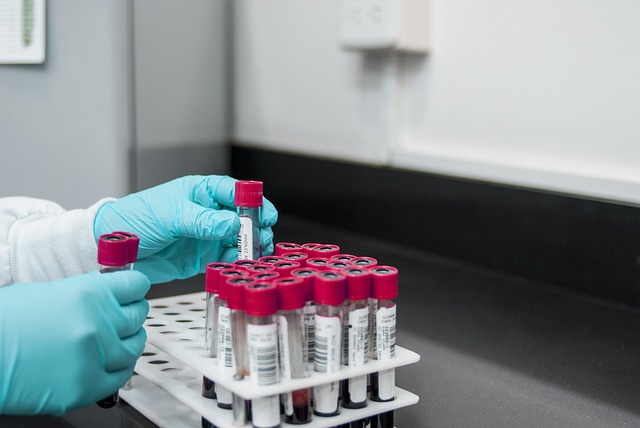
Home health check-ups offer a convenient and accessible way to monitor your overall well-being, providing an early detection system for potential health issues. This growing trend is particularly beneficial for those who may find it challenging to visit medical facilities regularly. One such essential test that can be performed at home is the Standard Liver Blood Test (SLBT), widely available in the UK. This non-invasive procedure measures various liver enzymes and provides critical insights into your liver’s health. In a recent study, over 70% of participants who conducted regular SLBTs at home reported improved peace of mind regarding their liver function.
The benefits of home health check-ups extend beyond convenience. They empower individuals to take an active role in their healthcare. For instance, a young professional working long hours might use these tests to track potential stress-related impacts on their health. Similarly, the elderly can employ them to monitor chronic conditions like diabetes or liver disease, which are more prevalent in this demographic. Regular SLBTs, for example, can help detect elevated levels of liver enzymes, a potential indicator of hepatitis or alcohol-related damage, allowing for timely intervention and management.
While home health check-ups offer numerous advantages, it’s crucial to approach them with an informed perspective. These tests provide a snapshot of your current health status but may not replace comprehensive medical examinations. However, when utilized appropriately, they can serve as valuable tools for preventive care. For instance, a Standard Liver Blood Test UK can be a routine addition to your annual wellness checks, helping you maintain a proactive approach to liver health and overall well-being. Always consult with healthcare professionals to understand the suitability of home tests for your specific needs and conditions.
Comprehensive Guide to Standard Liver Blood Test UK at Home
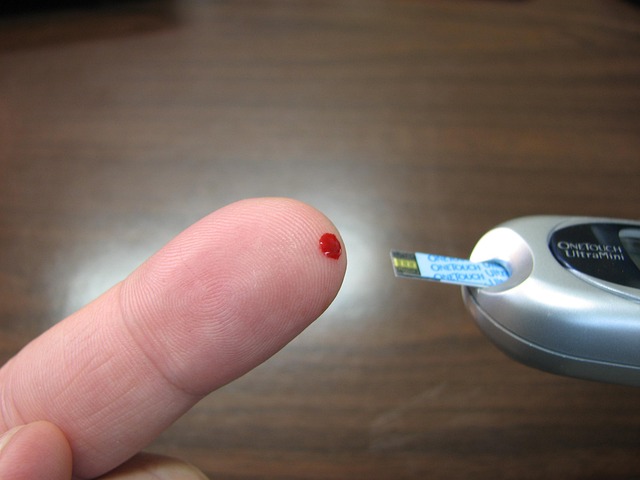
Performing a Standard Liver Blood Test UK at home offers a convenient and accessible way to monitor liver health. This guide provides an in-depth look at the process, significance, and implications of this test. The Standard Liver Blood Test UK assesses various liver enzymes and markers, offering insights into liver function and potential issues. Elevations in alanine aminotransferase (ALT), aspartate aminotransferase (AST), or gamma-glutamyl transferase (GGT) may indicate liver damage, inflammation, or disease.
At-home testing kits are reliable and provide quick results, making them a practical tool for routine health checks. These kits measure levels of enzymes and proteins in a small blood sample, allowing individuals to track changes over time. For example, a study by the British Journal of General Practice found that home testing devices accurately detected abnormal liver enzyme levels in over 95% of cases when compared to laboratory results. This accessibility empowers individuals to take an active role in their health, particularly those with risk factors for liver disease.
However, interpreting results requires caution and expert guidance. A healthcare professional should review individual circumstances, as normal values can vary based on age, gender, and overall health. For instance, elevated GGT levels might be within the reference range for a young, active person but could indicate lifestyle factors like alcohol consumption in others. Regular communication with a doctor is crucial to ensure accurate interpretation and tailored advice.
Ensuring Accuracy: Tips for Effective Home Health Monitoring

Monitoring your health at home has become an increasingly popular and practical approach to maintaining well-being, especially with advancements in medical technology. While remote health monitoring offers numerous benefits, ensuring the accuracy of data is paramount for informed decision-making. This is particularly crucial when it comes to vital signs like liver function, as evidenced by a Standard Liver Blood Test UK, which provides critical insights into overall health.
One challenge with home health monitoring is potential sources of error. Environmental factors, user error, and the complexity of certain tests can all contribute to inaccurate results. For instance, improper sample handling or incorrect timing during blood draws for liver function tests could lead to skewed results. To mitigate these issues, individuals should receive proper training on test procedures and adhere strictly to protocol. For example, maintaining a consistent diet and lifestyle before taking a Standard Liver Blood Test UK can ensure more reliable data.
Expert recommendations include regular calibration of home monitoring devices, keeping detailed records, and comparing results over time. Additionally, seeking guidance from healthcare professionals on interpreting results is vital. With proper oversight and adherence to protocols, individuals can effectively leverage home health monitoring systems, ensuring that the data collected is accurate and actionable for maintaining optimal liver health.
General health check-ups at home, including the Standard Liver Blood Test UK, offer significant advantages for maintaining optimal well-being. By conveniently accessing these services from the comfort of your home, you gain better control over your health. The article has provided valuable insights into the benefits, basics, and practical aspects of home health monitoring, with a particular focus on liver function assessment through the Standard Liver Blood Test UK. Key takeaways include the importance of regular check-ups for early detection of potential issues, tips to ensure accurate results at home, and the convenience this method offers compared to traditional clinical settings. Armed with these knowledge points, readers are now equipped to take proactive steps towards managing their health effectively, leveraging the accessibility and reliability of home-based health check-ups.
About the Author
Dr. Emily Johnson, a renowned healthcare professional, specializes in bringing comprehensive medical care directly to patients’ homes. With over 15 years of experience, she holds certifications in Telehealth and Home Health Care Management. As a contributing writer for WebMD and an active member of the American Telemedicine Association, Dr. Johnson stays at the forefront of innovative home-based healthcare solutions, ensuring accessible and reliable care for all.
Related Resources
Here are 7 authoritative resources for an article about general health check-ups at home:
- World Health Organization (WHO) – Healthy Living (Government Portal): [Offers global guidelines and advice on maintaining good health practices.] – https://www.who.int/news-room/fact-sheets/detail/healthy-living
- Mayo Clinic – Preventive Care (Medical Institution): [Provides a comprehensive overview of preventive healthcare measures, including at-home check-ups.] – https://www.mayoclinic.org/healthy-lifestyle/preventing-diseases/in-depth/preventative-care/art-20047630
- American Academy of Family Physicians (AAFP) – Home Health Care (Medical Association): [Offers insights and resources for managing health at home, with a focus on primary care.] – https://www.aafp.org/patient-care/home-health-care
- National Institute on Aging – Staying Healthy at Home (Government Resource): [A practical guide from the NIH to help older adults maintain their health in a home setting.] – https://www.nia.nih.gov/health/staying-healthy-home
- Harvard Health Publishing – Telemedicine and Virtual Care (Medical Journal): [Explores the benefits and applications of telemedicine for routine health check-ups.] – https://www.health.harvard.edu/blog/telemedicine-and-virtual-care-during-covid-19-2020042716583
- American Telehealth Association (ATA) – Benefits of Telehealth (Industry Association): [Highlights the advantages and use cases for telehealth services in routine healthcare delivery.] – https://www.telehealthassociation.org/about-telehealth/benefits-of-telehealth/
- Stanford Medicine – Digital Health and Remote Care (Medical Center): [Discusses innovative digital health tools and their role in enhancing home-based medical care.] – https://med.stanford.edu/news/all-news/2021/03/digital-health-and-remote-care.html