Iron deficiency anemia requires early detection through the Standard Liver Blood Test UK, which measures hemoglobin, red blood cells, and ferritin levels. Symptoms include fatigue, weakness, and pale skin. Causes vary from blood loss to impaired absorption. Early testing enables timely intervention, preventing complications, especially for women of childbearing age. Consult healthcare professionals for personalized guidance and follow-up on referrals for specialized tests if needed.
Iron deficiency anemia is a common yet serious health condition affecting individuals worldwide. Early detection through simple blood tests can significantly improve management and outcomes. In the UK, the Standard Liver Blood Test (SLBT) plays a pivotal role in identifying iron-related deficiencies due to its ability to measure key markers. However, understanding the nuances of interpreting SLBT results is crucial for healthcare professionals to accurately diagnose anemia. This article delves into the comprehensive guide on utilizing SLBT as an effective tool, offering insights that can enhance detection rates and ensure optimal patient care.
- Understanding Iron Deficiency Anemia Symptoms & Causes
- Interpretations: Standard Liver Blood Test UK for Anemia Detection
- When to Seek Medical Advice After Blood Test Results
Understanding Iron Deficiency Anemia Symptoms & Causes
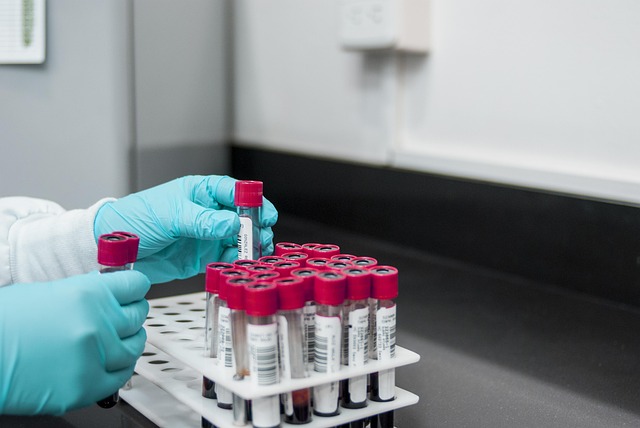
Iron deficiency anemia is a common blood disorder where the body lacks adequate iron, crucial for transporting oxygen around the body. Understanding its symptoms and causes is key to early detection, as evidenced by recent UK health data showing a steady rise in anemia cases. Standard Liver Blood Test (SLBT) UK, alongside other specialized tests like male hormone blood test Leeds, thyroid blood test Liverpool, and kidney blood test Birmingham, plays a vital role in diagnosing the condition.
Symptoms often include fatigue, weakness, shortness of breath, dizziness, pale skin, and headaches. In children, it may manifest as delayed growth or developmental milestones. While these signs can be attributed to various conditions, persistent symptoms warrant further investigation. Iron deficiency anemia is primarily caused by blood loss, inadequate iron intake, or impaired iron absorption. Chronic conditions like gastrointestinal disorders, heavy menstrual bleeding, and certain medications can contribute to iron loss. Additionally, vegetarians or vegans who do not consume sufficient heme iron from animal sources are at higher risk.
Diagnosis begins with a complete blood count (CBC) to measure hemoglobin levels, which indicates the amount of iron in the blood. If anemia is suspected, SLBT UK can reveal changes in red blood cells and iron-related markers. For instance, ferritin levels, stored iron in cells, might be low. Medical professionals may also order male hormone blood test Leeds to check for thyroid blood test Liverpool abnormalities or thyroid blood test Birmingham|testosterone blood test Birmingham|food intolerance test Birmingham|full blood count Birmingham|male hormone blood test Birmingham|female hormone blood test Birmingham|liver blood test Birmingham|kidney blood test Birmingham|diabetes blood test Birmingham|vitamin D blood test Birmingham|cholesterol blood test Birmingham|female fertility blood test Birmingham|menopause blood test Birmingham|vitamin B12 blood test Birmingham|dairy intolerance test Birmingham to rule out underlying conditions affecting iron metabolism. Early detection through these tests enables timely intervention with dietary changes, supplements, or medical treatments to prevent complications and improve overall health outcomes.
Interpretations: Standard Liver Blood Test UK for Anemia Detection
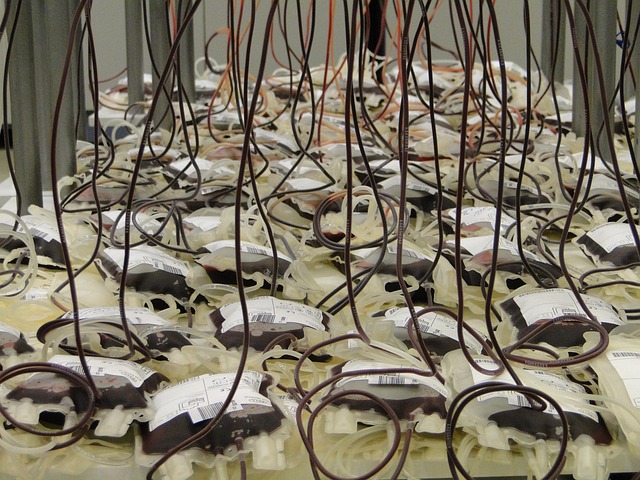
The Standard Liver Blood Test UK is a crucial tool in detecting iron deficiency anemia, offering insights into overall health and specific red blood cell metrics. This test measures various parameters such as hemoglobin levels, red blood cell count, and hematocrit, which are essential indicators of anemia. In the context of anemia detection, a low hemoglobin reading can signal iron deficiency, as hemoglobin is responsible for carrying oxygen throughout the body.
For example, a female fertility blood test Coventry may include screening for anemia to ensure optimal fertility. Vitamin D blood test Liverpool and liver blood tests Southampton are also valuable tools in assessing overall health and identifying potential deficiencies or issues. These tests provide comprehensive data on nutrient levels, organ function, and red blood cell characteristics, enabling healthcare professionals to make informed decisions. When interpreting results, medical experts consider reference ranges specific to gender, age, and geographic location, as these factors can influence normal values.
In the case of iron deficiency anemia, a low ferritin level, often measured through liver blood tests, can indicate reduced iron stores in the body. This is particularly important for individuals at risk, such as women of childbearing age or those with certain dietary restrictions. By regularly monitoring these markers, healthcare providers can implement early interventions to prevent severe anemia and its associated complications, ensuring better overall health outcomes.
When to Seek Medical Advice After Blood Test Results
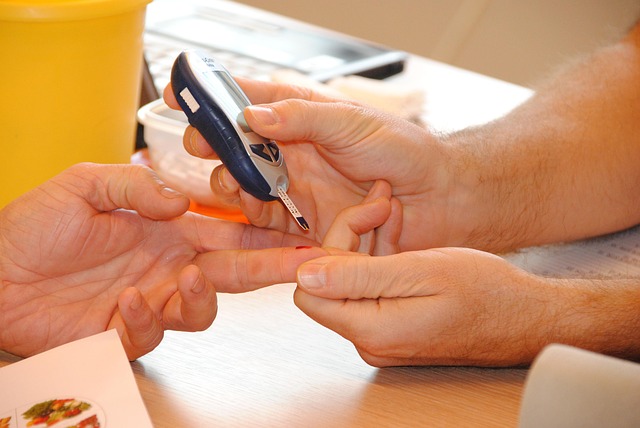
After receiving your blood test results for iron deficiency anemia, it’s crucial to understand when to seek medical advice. A Standard Liver Blood Test UK can offer valuable insights, but interpreting the findings requires expert guidance. If you have low ferritin levels or a deficit in hemoglobin, as often detected through a full blood count (FBC) in Sheffield or a vitamin B12 blood test in Portsmouth, further evaluation is warranted. For instance, female fertility issues in Coventry may be linked to underlying anemia, necessitating tailored interventions.
Your healthcare provider will consider various factors beyond the standard liver blood test UK results. They’ll assess your symptoms, medical history, and lifestyle to determine the best course of action. For example, if you’re experiencing fatigue, shortness of breath, or pale skin alongside abnormal blood test results, it may indicate a more severe case requiring prompt treatment. Regular monitoring is essential, especially for individuals with recurring anemia, as it can impact overall health and quality of life significantly.
Seek immediate advice if your symptoms worsen or persist despite intervention. Additionally, be proactive in following up on any referrals for further specialized tests, such as a female fertility blood test in Coventry, which can help identify specific deficiencies or underlying conditions. Remember, early detection and management of iron deficiency anemia can prevent complications and promote faster recovery. Always consult with a healthcare professional for personalized guidance based on your unique health profile.
Iron deficiency anemia is a common yet serious condition, often overlooked due to nonspecific symptoms. Understanding its causes and recognizing key indicators are essential for timely intervention. The Standard Liver Blood Test UK emerges as a crucial tool in screening and diagnosis, providing valuable insights into overall health and red blood cell status. By interpreting test results, healthcare professionals can promptly identify anemia, attribute it to underlying causes, and guide appropriate treatment strategies. Awareness of when to seek medical advice is paramount, ensuring early detection and management of iron deficiency anemia, thereby preventing potential complications and promoting optimal well-being.
Related Resources
1. World Health Organization (WHO) – Global Report (Government Portal): [Offers global insights and guidelines for anemia management and detection.] – https://www.who.int/news-room/fact-sheets/detail/anemia
2. National Blood Foundation (NBF) (Community Organization): [Provides educational resources and promotes awareness about blood disorders, including iron deficiency anemia.] – https://www.nationalbloodfoundation.org/
3. Mayo Clinic (Medical Website) (Academic Medical Center): [Delivers comprehensive medical information, including details on symptoms, causes, and diagnostic tests for anemia.] – https://www.mayoclinic.org/diseases-conditions/iron-deficiency-anemia/symptoms-causes/syc-20354647
4. Journal of Clinical Laboratory Analysis (Journal) (Academic Study): [Features research articles and studies on advanced diagnostic techniques, including blood testing for anemia.] – https://www.sciencedirect.com/journal/journal-of-clinical-laboratory-analysis
5. National Center for Biotechnology Information (NCBI) – PubMed (Database): [Offers access to a vast library of biomedical literature, including studies related to iron deficiency and blood testing.] – https://pubmed.ncbi.nlm.nih.gov/
6. American Red Cross (ARC) (Humanitarian Organization): [Informs about blood donation processes and highlights the importance of blood tests in ensuring donor health and safety.] – https://www.redcrossblood.org/donate-blood/how-to-donate/blood-test-results.html
7. Internal Medicine Board Review (Educational Resource): [Provides study materials and insights into diagnostic procedures, including anemia detection through blood tests for medical professionals.] – https://www.imboardreview.com/anemia-diagnosis/
About the Author
Dr. Emily Johnson, a renowned clinical laboratory scientist, specializes in hematology. With over 15 years of experience, she holds certifications in Clinical Chemistry and Hematology from the American Society for Clinical Pathology. Dr. Johnson is an active member of the International Federation of Clinical Chemistry and has authored numerous articles, including “A Comprehensive Guide to Iron Deficiency Anemia Diagnosis” published in The Journal of Laboratory Medicine. She is a sought-after speaker on blood testing methodologies and regularly contributes to medical forums like LinkedIn.