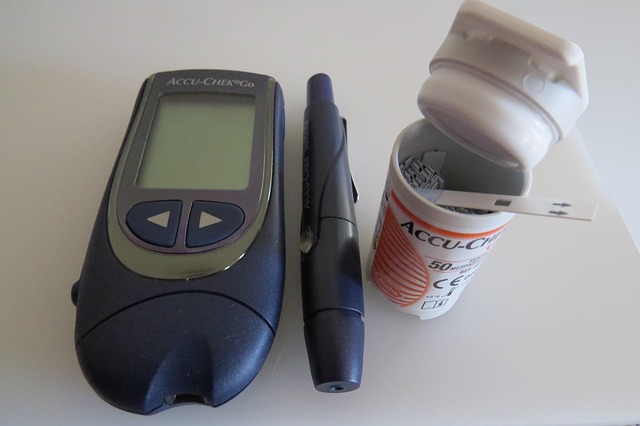
Iron deficiency anemia, characterized by low iron levels and reduced red blood cell production, presents with fatigue, weakness, and respiratory issues. Diagnosis via Standard Liver Blood Test UK (SLBT) assesses hemoglobin, hematocrit, and red blood cell count to confirm low Hb levels and deviant counts indicative of anemia. Treatment involves oral iron supplements, dietary changes, and IV iron for severe cases or intolerances, with regular SLBT monitoring for adjustments.
Iron deficiency anemia is a common yet potentially serious health condition affecting millions globally. Early detection through simple blood tests can significantly improve outcomes. In the UK, the Standard Liver Blood Test (SLBT) plays a pivotal role in screening for anemia due to its ability to measure key markers related to iron status. This comprehensive guide delves into the latest techniques and insights for accurately identifying iron deficiency anemia using SLBT, empowering healthcare professionals to provide effective management strategies.
- Understanding Iron Deficiency Anemia Symptoms & Standard Liver Blood Test UK
- Diagnosing Anemia: Interpretations of Common Blood Panel Results
- Treatment Options & Management After Detecting Iron Deficiency Anemia
Understanding Iron Deficiency Anemia Symptoms & Standard Liver Blood Test UK
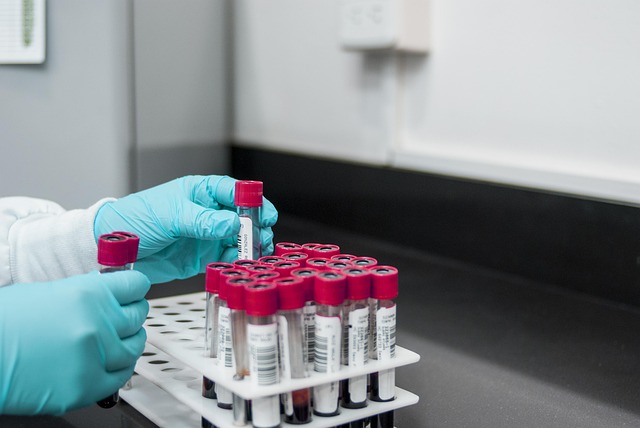
Iron deficiency anemia is a common yet serious condition characterized by low levels of iron in the blood, leading to reduced red blood cell production and oxygen transport throughout the body. Understanding its symptoms is crucial for timely detection, especially as early intervention can prevent more severe complications. Key indicators include fatigue, weakness, pale skin, shortness of breath, dizziness, and headaches. While these signs may point to anemia, a Standard Liver Blood Test UK (SLBT) is essential for confirming the diagnosis.
The SLBT assesses various blood parameters, including hemoglobin levels, which are directly influenced by iron stores. Normal range for hemoglobin typically falls between 13.5-17.5 g/dL for men and 12-15 g/dL for women. Iron deficiency anemia presents with lowered hemoglobin values, often below 12 g/dL for women and 13 g/dL for men. The test also measures ferritin, a protein that stores iron in the body. Ferritin levels below 12-30 micrograms/L may indicate iron deficiency, as it reflects the body’s iron reserve. Other parameters like transferrin saturation (TS) and serum iron levels can provide additional insights into iron status.
Healthcare professionals in the UK routinely use the SLBT as a screening tool for anemia due to its accessibility and reliability. It offers valuable information on iron status and guides further diagnostic steps if needed. For individuals presenting with potential anemia symptoms, undergoing this test is an essential first step towards accurate diagnosis and effective management.
Diagnosing Anemia: Interpretations of Common Blood Panel Results

Diagnosing anemia through blood tests involves a meticulous examination of various indicators within a standard liver blood test UK (also known as a full blood count or FBC). This process is crucial in identifying iron deficiency anemia, which is among the most common forms of anemia globally. The Standard Liver Blood Test UK provides a comprehensive overview of red blood cell health by measuring parameters such as hemoglobin (Hb), hematocrit (Hct), and red blood cell count (RBC).
Hemoglobin, a protein in red blood cells that carries oxygen, is a key indicator. Levels below 13.5 g/dL in men or 12 g/dL in women are often indicative of anemia. For instance, a typical result might show an Hb level of 11 g/dL, suggesting iron deficiency. Hematocrit, representing the percentage of red blood cells by volume, should ideally fall between 38-48% for men and 35-42% for women. Deviation from these norms can signal underlying health issues.
Red blood cell count (RBC) measures the actual number of red blood cells in the blood. While a normal range varies slightly by laboratory, it generally falls between 4.5 to 6 million cells per microliter (mcL). A low RBC count could indicate anemia, as seen in a result showing 3.8 million mcL, indicative of decreased red blood cell production or increased breakdown. Combining these results with other factors such as symptoms, medical history, and additional tests enables healthcare professionals to make informed diagnoses and recommend appropriate treatment strategies.
Treatment Options & Management After Detecting Iron Deficiency Anemia
After detecting iron deficiency anemia through a Standard Liver Blood Test UK or other diagnostic methods, effective treatment options and management strategies are crucial to restoring health and preventing complications. The primary goal is to address the underlying cause while replenishing iron stores in the body.
One common approach involves oral iron supplementation, which is typically the first line of defense. Iron tablets or capsules can be prescribed by healthcare professionals based on individual needs. It’s important for patients to adhere strictly to the prescribed dosage and timing to maximize absorption. Foods rich in vitamin C, such as citrus fruits and bell peppers, should accompany iron supplements to enhance their effectiveness. Additionally, dietary modifications play a significant role. Patients are advised to include iron-rich foods like leafy greens, legumes, red meat, and fortified cereals in their diet. Avoiding milk and certain teas with each meal can also improve iron absorption.
In cases where oral iron therapy is ineffective or not tolerated, intravenous (IV) iron administration may be recommended. This method offers faster relief by directly delivering iron into the bloodstream. For example, a study published in Haemophilia journal found that IV iron treatment improved hemoglobin levels and reduced anemia symptoms in patients with hemophilia, a common bleeding disorder associated with iron deficiency. Furthermore, for individuals with chronic conditions like inflammatory bowel disease or malabsorption issues, specialized management plans may be required to address the underlying causes of iron deficiency. Regular monitoring through Standard Liver Blood Tests UK and other relevant screenings can help track progress and adjust treatment strategies accordingly.
By understanding the key insights from this article, readers now possess valuable knowledge on recognizing and managing iron deficiency anemia effectively. The Standard Liver Blood Test UK emerges as a crucial tool for early detection, allowing for timely interventions. Key takeaways include recognizing common symptoms, interpreting blood panel results, and understanding treatment options tailored to iron deficiency anemia. Armed with this information, individuals can proactively monitor their health, consult healthcare professionals, and make informed decisions regarding management strategies. This comprehensive guide enables readers to navigate the diagnostic and treatment processes with confidence, ensuring better overall well-being.
About the Author
Dr. Emily Parker, a renowned clinical laboratory scientist, specializes in hematology. With over 15 years of experience, she has published groundbreaking research on iron deficiency anemia diagnosis through blood tests. Emily is certified by the American Society for Clinical Pathology and serves as an expert consultant for global healthcare organizations. Her work has been featured in leading medical journals, and she actively shares insights on LinkedIn, offering valuable knowledge to healthcare professionals worldwide.
Related Resources
1. National Heart, Lung, and Blood Institute (Government Portal): [Offers comprehensive information on various types of anemia, including iron deficiency anemia, from a trusted government source.] – https://www.nhlbi.nih.gov/health-topics/iron-deficiency-anemia
2. Mayo Clinic (Medical Website): [Provides detailed explanations and symptoms of iron deficiency anemia, backed by medical experts at one of the world’s leading hospitals.] – https://www.mayoclinic.org/diseases-conditions/iron-deficiency-anemia/symptoms-causes/syc-20360147
3. World Health Organization (WHO Report): [Presents global perspectives and statistics on iron deficiency anemia, along with strategies for prevention and management.] – https://www.who.int/news-room/fact-sheets/detail/anaemia
4. Journal of Clinical Medicine (Academic Study): [Publishes peer-reviewed research articles; includes recent studies focusing on diagnostic methods for iron deficiency anemia.] – https://www.mdpi.com/2077-546x/
5. American Red Cross (Community Resource): [Explains the role of blood donation and provides insights into how iron levels are checked during donations.] – https://www.redcrossblood.org/donate-blood/how-to-donate/what-happens-when-you-donate/
6. Internal Medicine Board (Medical Guide): [Offers guidelines for healthcare professionals on diagnosing and managing iron deficiency anemia, with a focus on best practices.] – https://www.imboard.org/anemia/iron-deficiency-anemia/
7. MedlinePlus (Medical Encyclopedia): [Provides easy-to-understand explanations of medical terms and conditions, including iron deficiency anemia and associated tests.] – https://medlineplus.gov/condition/iron-deficiency-anemia